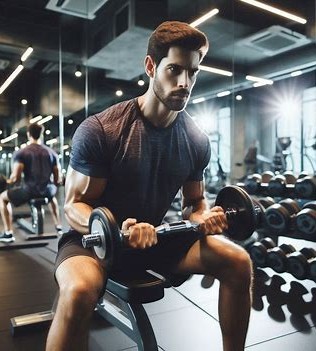
Finding something that fits right and feels comfortable often comes down to picking the right fabric. With stretch and fit in mind, I get into everything you need to know about choosing the right material for clothing, athletic wear, or even craft projects. It’s not just about making things fit. It’s about comfort, style, and how well your clothes move with you during the day.
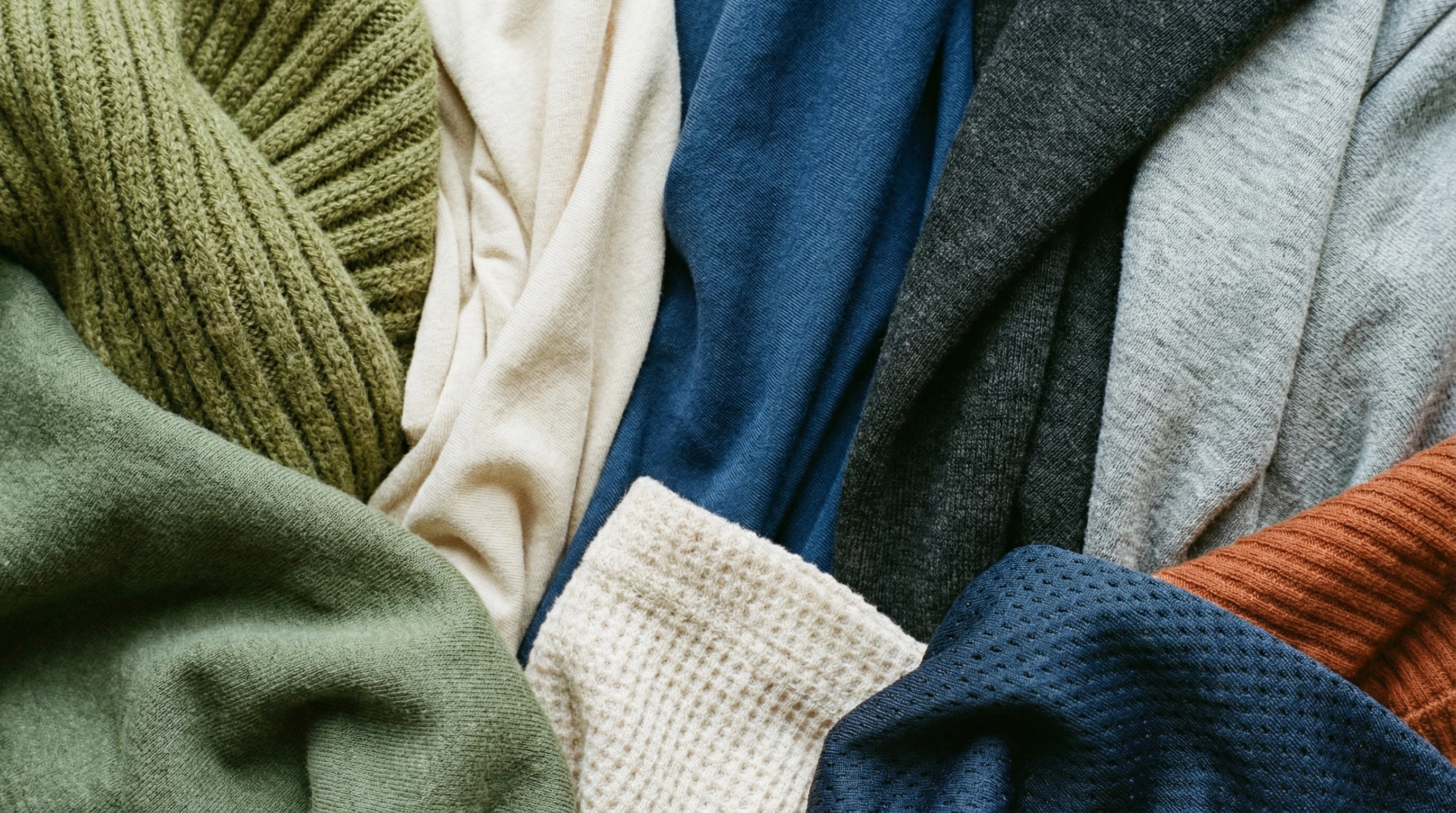
Understanding Stretchy Materials: What Makes Fabric Stretch?
The world of textiles is pretty huge, but some fibers and constructions really stand out for their stretch. When people talk about “stretch fabric,” most of the time they’re talking about spandex (elastane or Lycra), but there’s more to the story than just adding a bit of elastic.
Woven and knit fabrics behave differently when it comes to stretch. Knit fabrics—including jersey, rib knit, and interlock—are designed with loops that make them super flexible without needing extra stretchy fibers. Woven fabrics, more common in work clothes or dress pants, usually only stretch if spandex is blended into the yarn. This open structure in knits means they bounce back when stretched, making them perfect for tees, leggings, and sportswear.
It’s pretty important to look beyond buzzwords like “four-way stretch.” Two-way stretch fabrics can extend in one direction (usually horizontally), while fourway can stretch both ways. That difference can really change how a piece of clothing fits and moves on your body.
How to Pick the Best Stretch Material for Different Uses
Choosing the right fabric depends on what you’re making or wearing, and why. Here’s my personal rundown of common scenarios and why certain materials work better for each one:
- Everyday Clothing: Cotton blends with about 5% spandex create comfortable jeans and tops that hold shape but don’t get baggy over time.
- Activewear: Highperformance gear almost always uses polyester or nylon combined with a decent chunk of spandex. These mixes give moisturewicking plus an athletic kind of stretch, so clothes move with you whether you’re at the gym or on a run.
- Dresses & Skirts: Ponte or scuba knit fabrics strike a balance between structure and stretch. They keep garments looking sharp but let you move easily.
- Costumes or Dance: Pure spandex or nylonspandex blends excel at dramatic stretch—think bodysuits or leotards.
- DIY Projects: If you’re sewing your own pieces, check stretch percentages on the bolt (usually printed on the tag). Aim for knits with clear recovery, meaning fabric bounces back after being stretched, so homemade projects keep looking crisp.
Quick Guide: Evaluating Stretch & Fit in Fabric Shopping
Picking out the best fabric can be as simple as a hands-on squish and tug at the fabric store. Here’s my go-to checklist:
- Test the Stretch: Pull the fabric in both directions. Good stretch feels smooth and snaps back instead of sagging.
- Check the Recovery: Hold the stretch for a few seconds, then let go. If the fabric springs back to shape, it’ll keep clothes fitting sharp even after wear.
- Get the Percentage: Most labels say something like “95% cotton, 5% spandex.” Higher spandex equals more stretch, but too much can get clingy or hot.
- Consider Breathability: Some stretchy fabrics trap heat or moisture. For anything active, I always suggest looking for blends that say “moisturewicking.”
- Toughness Matters: For pants or workout shorts, check the thickness. Thin, cheap knits can become seethrough. Thicker or doubleknit options hold up better over time.
A little stretch can completely change how an outfit feels, but too much isn’t always great. The trick is matching fabric to purpose and personal comfort.
Pitfalls to Watch for When Choosing Stretch Fabrics
Plenty of stretch fabrics are awesome for fit and comfort, but not all blends are made equal. Here are common issues I’ve run into (and ways to dodge them):
- Pilling: Knits heavy on synthetics (like polyesterspandex blends) can get those annoying fuzzy pills. Washing cold and inside out helps, but for longtime wear go for betterquality blends when you can.
- Bagging Out: Leggings or jeggings sometimes lose their snap after lots of use. Fabrics with too little recovery keep stretching out and never bounce back.
- Shrinkage: Not all stretch fabrics are preshrunk. Spandex blends are usually okay, but 100% cotton knits can lose size after the first wash. I always prewash before sewing or hemming anything.
- Transparency: Some stretchy materials go a bit seethrough when they’re pulled tight. This is super common in lightcolored leggings or cheap jerseys. Always check stretch and thickness before buying!
Material Quality
Paying attention to brand or source helps sidestep disappointment. Places with strong reputations in athletic or dance fabrics (like suppliers for yoga brands) usually offer better blends with real bounce and longlasting recovery. If shopping in store, don’t be shy about feeling the fabric and checking how well it stretches and rebounds.
Sustainability Factors
Recent years brought new ecofriendly stretch alternatives, such as recycled polyesterspandex blends or Tencel knits with Lycra. These blends are worth checking out for anyone aiming to reduce environmental impact without missing out on flexibility or style. Brands now flag such materials with “sustainable” or “ecostretch” tags.
Tips to Get That Perfect Stretchy Fit
Getting a good fit from stretchy material isn’t just about the size on the tag. Here’s what helps:
Size Down, or Not? Some clothes with lots of stretch are “bodycon” style and can look strange if too loose. Others, like wrap dresses with stretch, do well at your typical size. Fit charts from brands often give tips for deciding if you should size up or down.
Look at Seams and Construction: Wellmade stretch clothes have flat, reinforced seams so they don’t break when you move. Seamless clothing, like some leggings and sporty tops, feel especially comfortable but check for bagginess around the waistband or ankles.
Test Move: Before buying, do a couple of stretches, squats, or lifts. Anything that mimics your usual activity. If you feel restricted or see fabric thinning out, pick something else.
When sewing with stretchy fabrics, always use a stretch or ballpoint needle and a “stretch” stitch setting. This prevents skipped stitches and keeps seams from popping when you move. I also swear by using a bit of clear elastic in the seams for extra hold around stress points: shoulders, waistbands, cuffs.
Real-World Applications: Why Stretch Fabric is Super Useful
Think about where you see stretch materials shine every day:
- Yoga Pants and Leggings: Everyone loves comfy, bumhugging leggings for a reason. A good mix of polyester and spandex gives them serious moveability, while the fabric’s recovery keeps knees from stretching out.
- Fitted Blazers and Trousers: Blended stretch fabric in formal or work clothes adds comfort for long days. That extra 2–5% spandex lets you reach, bend, or sit without feeling restricted.
- Swimwear: Nylonspandex blends are the goto for swimsuits. Fast drying, high stretch, and super snug, which is just what’s needed for the pool or beach.
- Cycling Jerseys and Compression Gear: Stretch and moisture control are vital for highperformance sportswear. Fabric hugs muscles but never pinches.
Anyone wanting comfort and a good look in daily life knows the appeal of the right stretchy Tshirt or pair of jeans. It’s just as helpful in the sewing room, where success means mixing together function, fashion, and fit. Plus, with so many choices available, there’s a stretchy option out there for practically every sewing or style goal you have in mind. As technology in textiles grows fast, keep an eye out for nextlevel cool fabrics that combine flexibility, durability, and ecofriendliness.
Frequently Asked Questions
Some questions pop up again and again when it comes to stretch fabric and choosing the right material for different needs:
Question: How can you tell if fabric will hold its shape?
Answer: Check both stretch and recovery. Goodquality blends should bounce back when released, not stay baggy. Stretch fabric labels listing spandex or elastane around 5% or more usually give strong results.
Question: Are stretch materials always synthetic?
Answer: Not always. While a lot of stretch fabrics use spandex (which is synthetic), new blends use bamboo, Tencel, or even organic cotton spun with spandex for ecofriendly options.
Question: What’s the best stretch fabric for beginners to sew?
Answer: Cotton jerseys with a bit of spandex are forgiving to work with. They don’t curl as much at the edges and respond well to a basic stretch stitch or a zigzag on a regular sewing machine.
Final Thoughts on Stretch and Fit
Finding the best stretch fabric doesn’t just make clothes comfier. It helps keep everything feeling and looking great over time. A little knowhow about fabric types and how they react to movement really pays off, whether you’re shopping, sewing, or getting dressed for the day. Do a hands-on stretch test, pay attention to quality blends, and don’t ignore labels or care instructions. The extra attention will make your pieces last longer and keep you at your best, whatever you’re doing.
Please feel free to leave a comment or ask a question and I will get back to you as soon as possible.