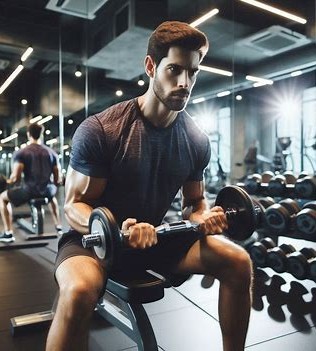
Moisturewicking athleisure wear has become more popular not just for the gym, but for everyday life. Finding clothing that keeps you comfortable during sweat sessions or while running errands is something I value a lot. Picking the right moisturewicking pieces can be a little bit confusing, especially with all the technical fabrics and brands promising quickdry magic. In this article, I’m going to break down what moisturewicking athleisure wear is, how it works, and what features to watch for so you can choose outfits that actually support your lifestyle.
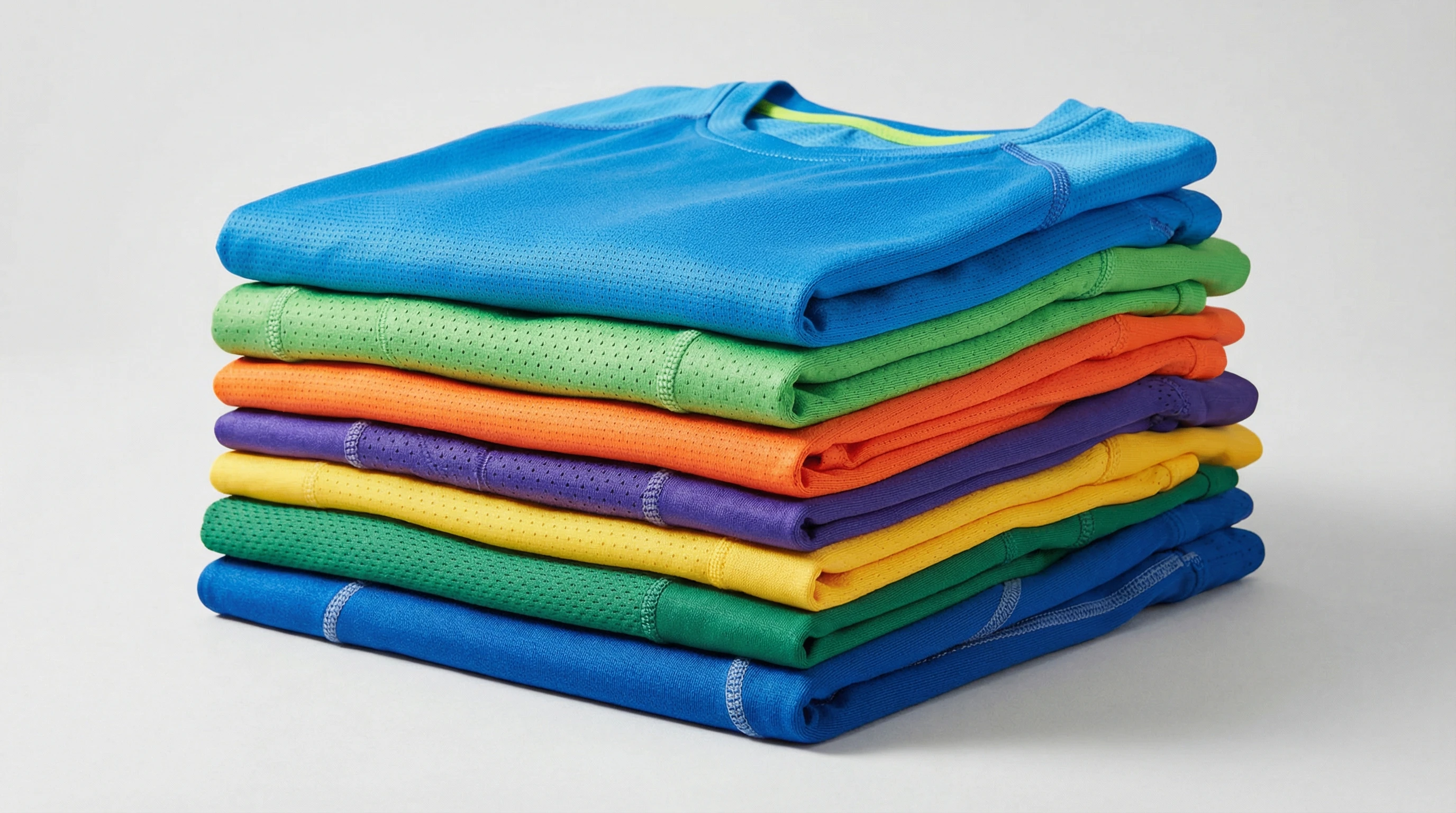
Understanding Moisturewicking Fabrics
Moisturewicking fabrics are specially designed to pull sweat away from your skin. This helps you stay dry and comfortable, rather than getting weighed down or chilly from damp clothing. I believe this makes a real difference whenever I’m working out, jogging, or even sitting at a desk on a hot day. These fabrics work by moving moisture from the inside layer next to your skin to the outside layer, where it can evaporate more easily.
Most common moisturewicking fabrics include polyester, nylon, spandex blends, and even some modern natural fibers like merino wool. Synthetic materials are often used because they’re lightweight and dry quickly. Merino wool, on the other hand, provides comfort but also helps move sweat while resisting odor. I’ve found that understanding these material basics helps a lot when choosing activewear that feels good all day.
Key Benefits of Moisturewicking Athleisure
Wearing moisturewicking athleisure has some real upsides beyond looking sporty. Here’s what I notice most:
- Stays Dry Under Pressure: Whether I’m pushing through a cardio class or taking a walk on a sunny day, my skin stays dry because the fabric moves sweat away.
- Reduces Chafing and Irritation: Wet fabrics can stick and rub, sometimes making exercise miserable. Moisturewicking clothing helps avoid this problem for me.
- Comfort All Day: Even outside the gym, I feel more comfortable in these clothes during busy days or warm weather errands.
- Resists Odors: Many moisturewicking clothes are treated to prevent odor buildup, so I don’t have to worry about unpleasant smells after a workout.
What to Look for in Moisturewicking Athleisure Wear
I’ve learned that not all moisturewicking gear is created equal. When I’m shopping for new pieces, these are the features I pay the most attention to:
- Material Type: I check the label for polyester, nylon, spandex, or merino wool. Cotton doesn’t move sweat as well, so I try to avoid it for workouts.
- Fabric Weight: Lighter fabrics usually dry faster and feel less bulky. For highintensity workouts, I prefer featherweight options.
- Seam Construction: Flatlock seams help reduce friction. I find these seams much more comfortable, especially during long runs or bike rides.
- Breathability: Mesh panels in certain spots allow better airflow. This really matters on days when I work up a big sweat.
- Stretch and Fit: Flexible spandex blends let my clothes move with me, which is something I look for in leggings and fitted tops.
Starting Your Wardrobe: Essential Pieces
Building a solid athleisure wardrobe doesn’t have to mean buying every new release you see online. I suggest starting with a few versatile basics and building from there. Here are the items I consider essentials:
- Moisturewicking TShirts and Tanks: Great for almost any activity, from running to yard work.
- Leggings or Joggers: I like a couple pairs in neutral colors that work for both workouts and casual outings.
- Sports Bras: Breathable, quickdry options save me from discomfort during tough routines.
- Socks: Moisturewicking socks help prevent blisters and keep my feet fresher after long hours.
Guide to Choosing The Right Fit and Fabric
I pay close attention to fit when shopping for athleisure wear. Tootight pieces restrict movement and may create pressure points, while baggy clothes can bunch up and hold onto moisture. I always try on items or check size guides before committing, especially when buying online.
Checking fabric content is another habit that’s saved me from buying workout clothes that don’t perform well. I check for blends that are at least 80% synthetic (like polyester or nylon) when I want something truly sweatfriendly. Reports from outdoor gear comparison sites such as REI, and user reviews on sites like OutdoorGearLab, have also helped me find brands and lines that live up to their moisturewicking promises.
Potential Drawbacks and What to Watch Out For
Even with all their benefits, moisturewicking clothes have some limitations I’ve noticed over time:
- Retaining Odors: While most gear claims to resist stink, some synthetic blends can still hang onto smells if not washed well. I try to follow washing instructions closely to keep odors away.
- Pilling and Snags: The lighter, finer fabrics can sometimes develop pilling or pulls after months of wear. I keep them out of the dryer and avoid rough surfaces when possible.
- Cost: Quality moisturewicking athleisure tends to cost more than regular cotton options. I usually consider these pieces an investment since they last longer when cared for properly.
Common Materials Used
Understanding the difference among materials makes selecting workout gear much simpler for me. Here’s how the main options stack up:
- Polyester: Dries fast and feels lightweight, but can sometimes retain odor if not treated or washed properly.
- Nylon: Strong, abrasion resistant, and dries quickly; often used in running shorts and compression tops.
- Spandex/Elastane: Provides stretch, making clothing more flexible and formfitting.
- Merino Wool: Soft, naturally odor resistant, and manages both heat and moisture well. I like merino for cooler weather or layering.
How to Wash and Care for Your Moisturewicking Clothes
Taking care of these clothes helps them last longer and keeps them feeling fresh. I always wash moisturewicking pieces in cold water and avoid fabric softener, since it can coat fibers and block their sweatmoving ability. Air drying works best, though some items can go in the dryer on low. Storing them dry and unfolded also helps avoid musty smells. This washing routine has kept my workout favorites in good shape, even after plenty of sweaty gym sessions.
Practical Tips for Buying Moisturewicking Athleisure
From my experience, these simple actions can make choosing new moisturewicking outfits easier and less stressful:
- Read Fabric Content Labels: Look for specific percentages of polyester, nylon, spandex, or merino wool.
- Check for Return Policies: Sizing can vary by brand, so making sure you can return or exchange saves hassle.
- Prioritize Function Over Fashion (at First): Trendy pieces are great, but I’ve benefited most from focusing on performance features first.
- Ask for Recommendations: User reviews and suggestions led me to some of my favorite finds.
- Buy a Couple of Pieces to Start: Before replacing your entire wardrobe, try a handful of highquality basics to see how they work for your needs.
Frequently Asked Questions
Here are some common questions that come up when I talk about buying moisturewicking activewear:
Question: Can I wear moisturewicking clothing for everyday activities?
Answer: Absolutely. I often wear these clothes for errands, travel, or lounging, not just exercise. They’re versatile and comfortable for all day use.
Question: How do I know if athleisure fabric is truly moisturewicking?
Answer: The label or product description should mention moisturewicking technology or quickdry features. Doublecheck for synthetic materials or blends with a high percentage of polyester or nylon.
Question: Will moisturewicking clothes shrink?
Answer: Most synthetic blends resist shrinking. Following care directions helps keep their shape. Avoid hot water and highheat drying when possible.
Why Choosing the Right Moisturewicking Athleisure Matters
Wearing moisturewicking athleisure can make your workouts and daily routines much more comfortable. I’ve noticed that the right gear keeps sweat at bay, supports better hygiene, and helps me feel ready for anything. With new fabric technology and smart design, you do not have to choose between style and comfort either. Building a wardrobe with trusted basics gives me confidence and flexibility, whatever the day throws at me.
If you’re looking to update your gym gear or just want more comfort in your day, paying attention to details like fabric, fit, and care will help you get the most out of your athleisure wear. There’s a real difference when you find those key pieces that work for you, both for fitness and for life outside the gym. Keep an eye out for new innovations too; the world of technical fabrics is always moving, offering even more options for comfort and performance. By focusing on what matters most to you in terms of fit, durability, and moisture control, you’ll set yourself up for easier, more enjoyable days—no matter where you go.