
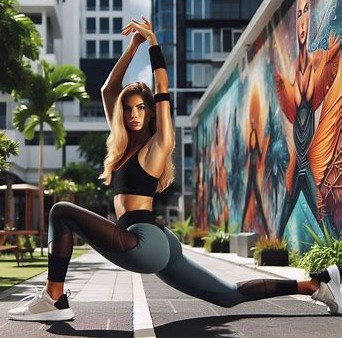
Wearing athleisure isn’t just a fashion trend; it’s a lifestyle that can really benefit mental health. Swapping out stiff, formal clothes for activewear does way more than add comfort to your day. The flexibility that comes with athleisure often boosts mood, motivation, and focus. Here, I’m breaking down how rocking these comfy clothes actually supports mental well-being in everyday life.
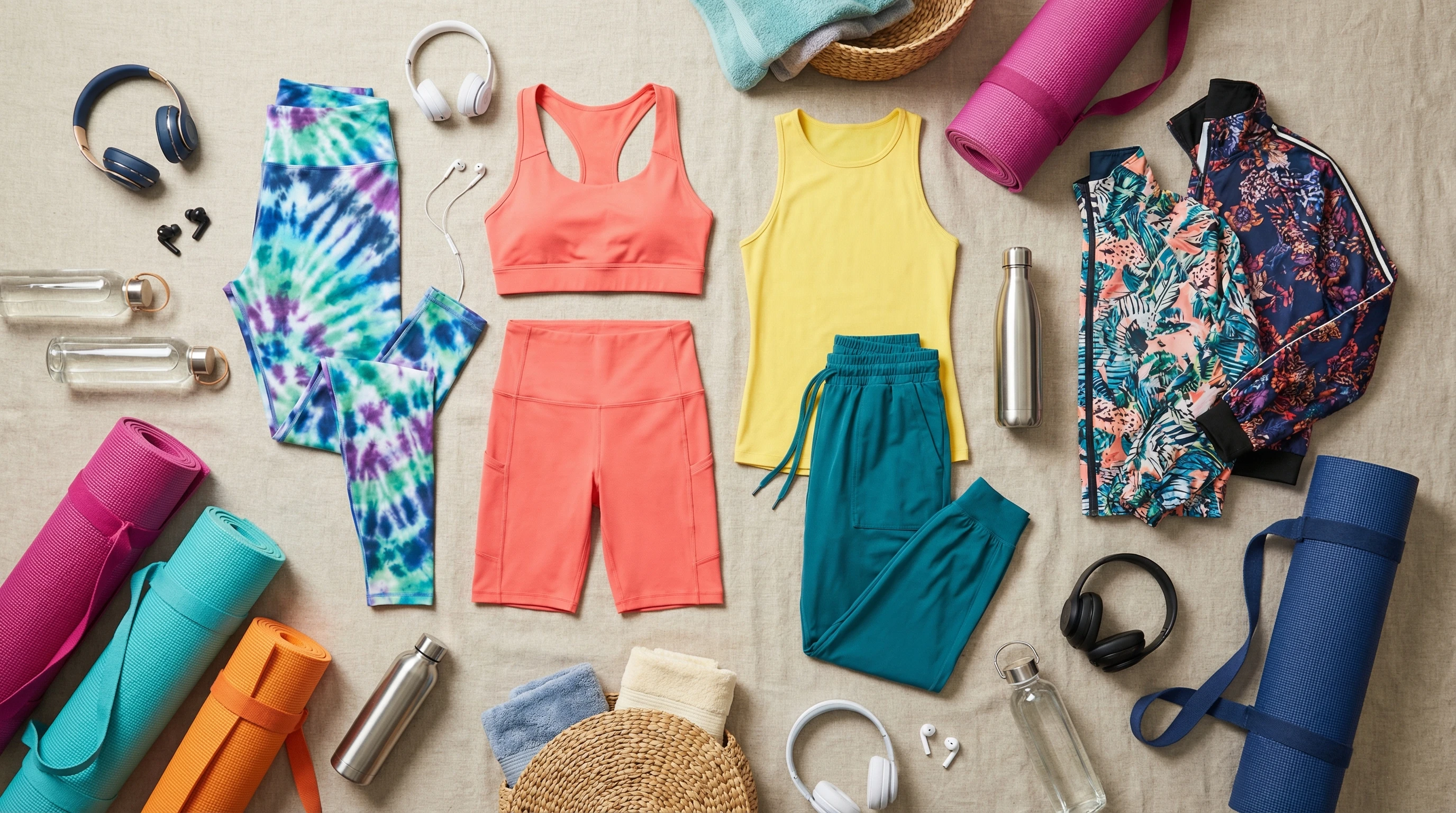
What Makes Athleisure Special for the Mind?
Athleisure is a mix of athletic wear and casual fashion that’s built for both movement and lounging. These clothes usually feature stretchy fabrics, easybreathing materials, and relaxed fits. I love that I can head off for a morning walk and then seamlessly roll into a Zoom call without changing outfits.
Beyond convenience, the psychology of clothing—sometimes called “enclothed cognition”—shows that what I wear actually impacts how I feel and behave. When I toss on a pair of leggings and a moisturewicking top, I notice an instant switch up in my motivation. Studies from the Journal of Experimental Social Psychology support this: what you wear can shape your mindset and performance, especially when there’s a connection with activity and health.
Comfort also plays a big part. Traditional clothing like jeans or dress shirts can restrict movement and make you more aware of discomfort. When my outfit feels good, I’m not distracted, which is really important for staying positive and focused throughout the day.
The Science Behind Comfort and Mood
Several research studies show that comfortable clothing is closely linked to reduced stress. Tight or scratchy clothes can raise cortisol, the body’s stress hormone. Switching to soft, stretchy materials keeps stress at bay, letting your body relax.
In my experience, slipping into athleisure after a long day or even for a workfromhome day sets the tone for productivity and relaxation. This isn’t just personal. Researchers have found that physical comfort supports emotional stability, and this little adjustment in wardrobe really adds up. The freedom to move, stretch, or even do a little desk yoga without changing clothes means my body and mind don’t feel stuck.
Everyday Ways Athleisure Supports Mental Health
Athleisure goes beyond style. Wearing activewear throughout the day encourages healthy habits. I find myself more likely to take movement breaks or just stretch when I’m already dressed for it. This helps with:
- Reducing daily stress: Soft fabrics and easy fits help keep tension low. When I’m comfortable, my stress levels drop and I handle challenges better.
- Staying active: There’s less resistance to getting moving or taking a quick walk if I’m already dressed in gear made for activity.
- Improving selfimage: Feeling put together, even in casual clothes, gives my confidence a nice bump—something especially helpful when working from home or running errands.
How Athleisure Motivates Movement
Athleisure makes me feel ready for a spontaneous workout, walk, or stretch break at any point in the day. The psychology is simple: when I’m already halfway dressed for a workout, the mental hurdle of “getting changed” disappears.
This comes in handy for keeping up with movement goals, especially if I’m short on time. A study from the British Journal of Sports Medicine points to a clear connection between regular, small bouts of activity and reduced symptoms of anxiety and depression. Athleisure serves as a visual and practical reminder to move, acting as a simple yet powerful trigger for healthy action.
Managing Social Pressure and Supporting SelfAcceptance
Traditional workwear and rigid dress codes can sometimes cause stress and anxiety, especially for people who struggle with body image or fitting in. Wearing athleisure helps me avoid a lot of that pressure. The sizing is usually more forgiving, and the roomy fits make it easier to focus on what I’m doing rather than how my clothes look or feel.
Socially, athleisure breaks down some barriers. I feel a sense of belonging when I see others choosing similar laidback looks; this makes a real difference at the gym, in groups, or even just meeting up for coffee. When fashion trends make comfort and inclusion a priority, it’s easier to feel good about myself and interact positively with others.
What to Look for in Athleisure for Mental Well-Being
Not all athleisure is the same. Some pieces actually work better for mental health than others. I keep an eye out for these features:
- Breathable fabrics: Materials like modal, bamboo, or quickdry blends help manage sweat and keep me cool.
- Nonrestrictive fits: Stretchy waistbands and flexible seams mean I’m free to move and stretch any time.
- Colors and textures: Choosing colors I love or soft textures has a subtle moodlifting effect. Bright colors or soothing tones can make a surprisingly big difference.
- Easy care: Outfits that don’t need dry cleaning or special handling reduce stress and make life easier.
Considerations Before You Go AllIn on Athleisure
While I’m a big fan, athleisure isn’t always perfect for every moment. Some situations—think job interviews or formal events—still call for traditional styles. But for daily routines, mental wellness, and less formal workspaces, athleisure is a fantastic option.
One thing to watch for is brand hype. There’s a lot of marketing around certain brands, but that doesn’t always translate to better quality or comfort. I suggest focusing on feel and fit. Careful research helps buyers make informed decisions and avoid overspending for the sake of a logo.
Quality Over Hype
Quality pieces last longer and actually feel good. I always check reviews or ask friends for recommendations before investing in pricier items. Look for details like reinforced stitching or multiway stretch fabrics; these make a big difference in how clothes hold up and feel over time.
Maintaining Boundaries Between Work and Relaxation
Blurring the lines between lounge, work, and gym wear can sometimes make it harder to “switch off.” I use simple tricks, like changing from my activewear into pajamas or something cozier when it’s time to wind down at night. It’s a small habit, but it signals my brain that my workday is done and relaxation can start.
Clever Ways to Take Up a Notch Mental Health with Athleisure
Once you get comfortable with athleisure in daily life, some little hacks can make an even bigger difference:
Match your outfit to your activity: If I know I’ll be outside or running errands, moisturewicking or weatherappropriate layers are a win.
Plan movement breaks: I add a stretch or walk break to my calendar. When I’m already wearing the right gear, it feels natural to follow through.
Choose colors for mood: I sometimes pick brights for energy or softer tones for calm—both help shape the vibe of my day.
Mixing up these strategies not only helps with motivation but also keeps things fresh and fun. Athleisure makes it a lot easier to test what works and stick with habits that feel good.
RealLife Examples Where Athleisure Helps Mental Health
I’ve seen friends and readers make the switch to athleisure and stumble upon real changes. Remote workers often share how comfort and flexibility helped them find more energy for breaks or lunchtime walks. Busy parents tell me getting dressed in the morning becomes much easier, with the added bonus of more playtime and movement built into family routines.
- Remote work: Athleisure helps break up long hours at a desk, prompting me to move, stretch, or even tackle some household chores without a costume change.
- Travel days: Comfy clothes make stressful flights or car rides more bearable, which puts me in a better headspace on arrival.
- Afterhours comfort: When the workday is done, the transition to relaxation is smooth, reducing daily stress and supporting restful downtime.
Frequently Asked Questions
Question: Can wearing athleisure really help with stress?
Answer: Yes! The freedom and comfort these clothes offer lowers stress, especially when they encourage small, regular bursts of movement.
Question: Do I have to buy expensive brands to see the benefits?
Answer: Not at all. The mood and comfort boost come from fit, function, and feel—not the logo on the label.
Question: How do I make the most of athleisure without feeling sloppy?
Answer: Matching tops and bottoms, layering smartly, or choosing structured pieces can keep your look sharp while still feeling comfy.
Key Takeaways for Mental Wellness Through Athleisure
Athleisure isn’t just about looking trendy; it’s a tool for supporting your mind and body every day. Whether it’s motivating movement, promoting selfacceptance, or just making you feel at ease, these clothes pack a punch for mental health. It’s worth checking out if you want more comfort and energy in your daily routine. With a little creativity, stepping into athleisure can be an easy, practical boost to your mental wellness adventure.
Please feel free to leave a comment or ask a question and I will get back to you as soon as possible.